

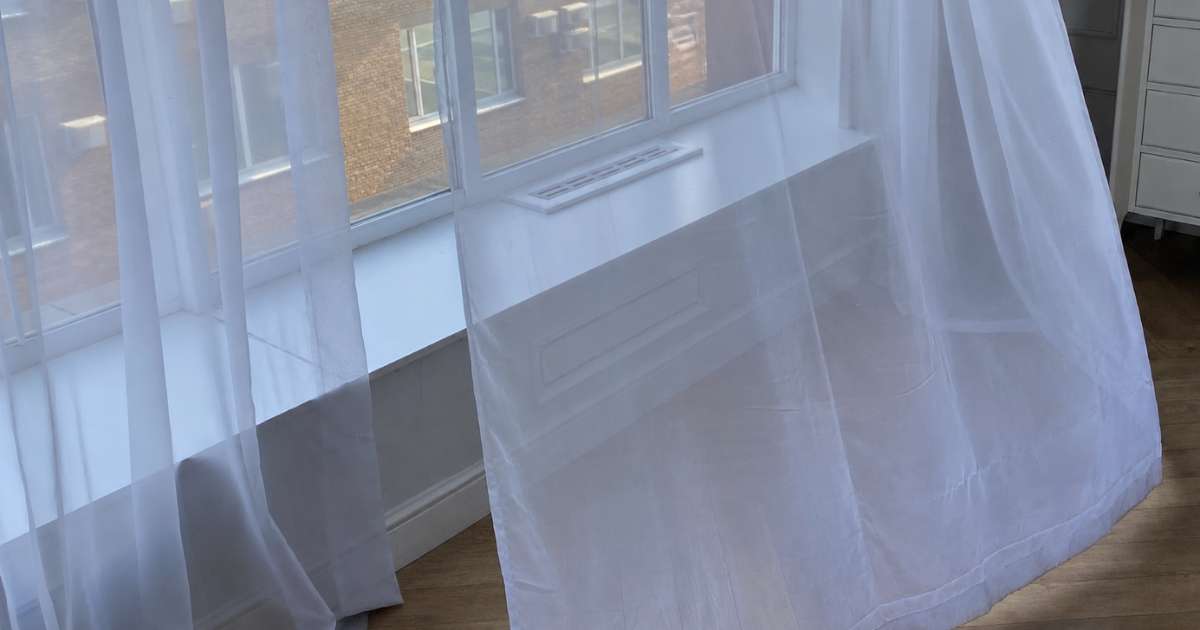
When the wind comes in off the Firth of Clyde, draughty windows and doors soon make themselves known. You feel it round your ankles by the back door, see the curtains move with the window shut, and watch the heating come on more often than it should.
The good news is that plenty of draughts can be sorted in an afternoon with inexpensive materials from a DIY shop. Others are a sign that the window or door itself has reached the end of its working life. This guide covers how to find the draught, what you can fix yourself, and the signs that replacement is the better call.
Find where the draught is coming from
Pick a windy day and work your way round each window and door. Run the back of a slightly damp hand slowly around the edges and you’ll feel even a small stream of cold air. You can also hold a lit incense stick near the frame and watch for the smoke being pulled sideways.
The usual culprits are:
- The join between the opening part of the window or door and the frame
- The gap between the frame and the wall, inside or out
- Letterboxes, keyholes and cat flaps
- The gap under an external door
- Trickle vents left open (these are meant to let some air in, so see the note further down before closing them for good)
Fixes you can do yourself

Check and clean the seals. Most modern windows and doors have rubber seals running round the opening part. Over time they get dirty, flattened or cracked, and stop sealing properly. Give them a wipe with warm soapy water and look closely. If a seal is split, shrunk away from the corners or has gone hard, replacement seals are widely available and many simply press into a groove.
Adjust the door or window so it closes tightly. Many uPVC and composite doors, and plenty of windows, have adjustable hinges and keeps (the metal plates the locking points slide into). A small adjustment can pull the door or sash tighter against the seals. Go a little at a time and test as you go. If you’re not confident, leave it, because over-adjusting can make a door harder to lock.
Re-seal around the frame. Outside, the sealant between the frame and the wall cracks and shrinks with age and weather. On a dry day, cut out the old bead and run a fresh line of exterior sealant. Inside, fill small gaps between the frame and plaster with decorator’s caulk.
Close the small gaps. Fit a brush-style letterbox draught excluder, a keyhole cover and a brush strip or draught excluder at the bottom of external doors. Each takes minutes and makes a noticeable difference at the front door.
Use curtains and blinds as a stopgap. Thermal-lined curtains drawn at dusk help keep the heat in while you sort out a longer-term fix.
One thing not to do: don’t seal up trickle vents or airbricks. They’re there to let damp air out. Block them and you trade draughts for condensation and mould, which we cover in our guide to window condensation.
Signs it’s time to replace
Some draughts aren’t a seals problem. These signs usually point to the window or door itself:
- The frame is rotten, warped or cracked. Soft timber, or uPVC that has bowed or split, won’t hold a seal however much you adjust it.
- The draught keeps coming back. You’ve cleaned or replaced the seals and adjusted the hinges, and it’s cold again within weeks.
- There’s misting between the panes. This means the seal on the glass unit has failed and it’s no longer insulating as it should.
- You still have single glazing or very early double glazing. Even with perfect seals, the glass itself is losing heat.
- It’s hard to open, close or lock. That’s a comfort problem and a security problem.
- Cold spots and condensation keep appearing around the frames, even with good ventilation.
- You can hear the street as clearly as if the window were open.
One of these on its own doesn’t always mean replacement. Two or three together usually do.
Fix or replace: a simple rule of thumb
If the problem is in the parts that wear out (seals, brushes, adjustment or the sealant round the frame), fix it yourself and enjoy a warmer house. If the problem is in the frame or the glass, or the draught keeps returning after you’ve done the basics, replacement is usually the better long-term answer.
Thinking about replacement?
If your windows or doors are past saving, Ayrshire Trade Frames supplies and fits windows, composite doors and uPVC doors across Ayrshire. We’ll talk you through the options that suit your home and give you a clear,
no-obligation quote.

